What is on the shelves
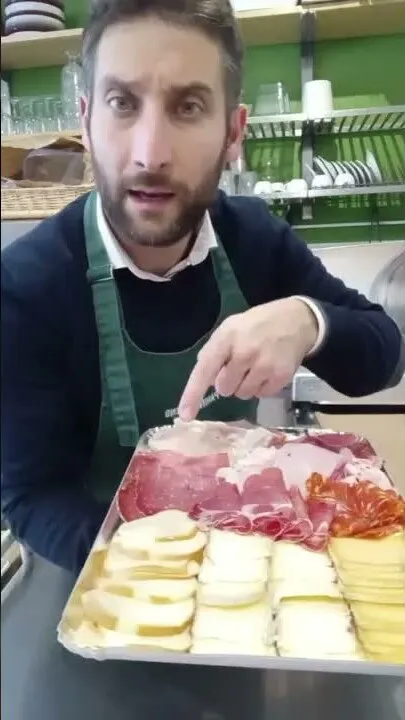
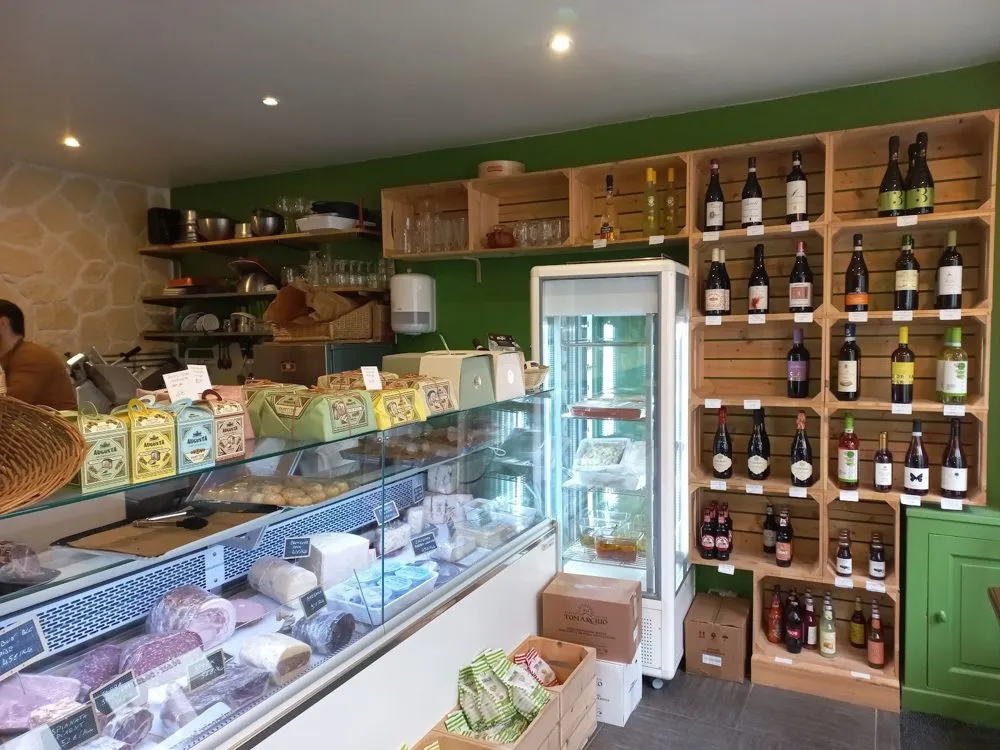
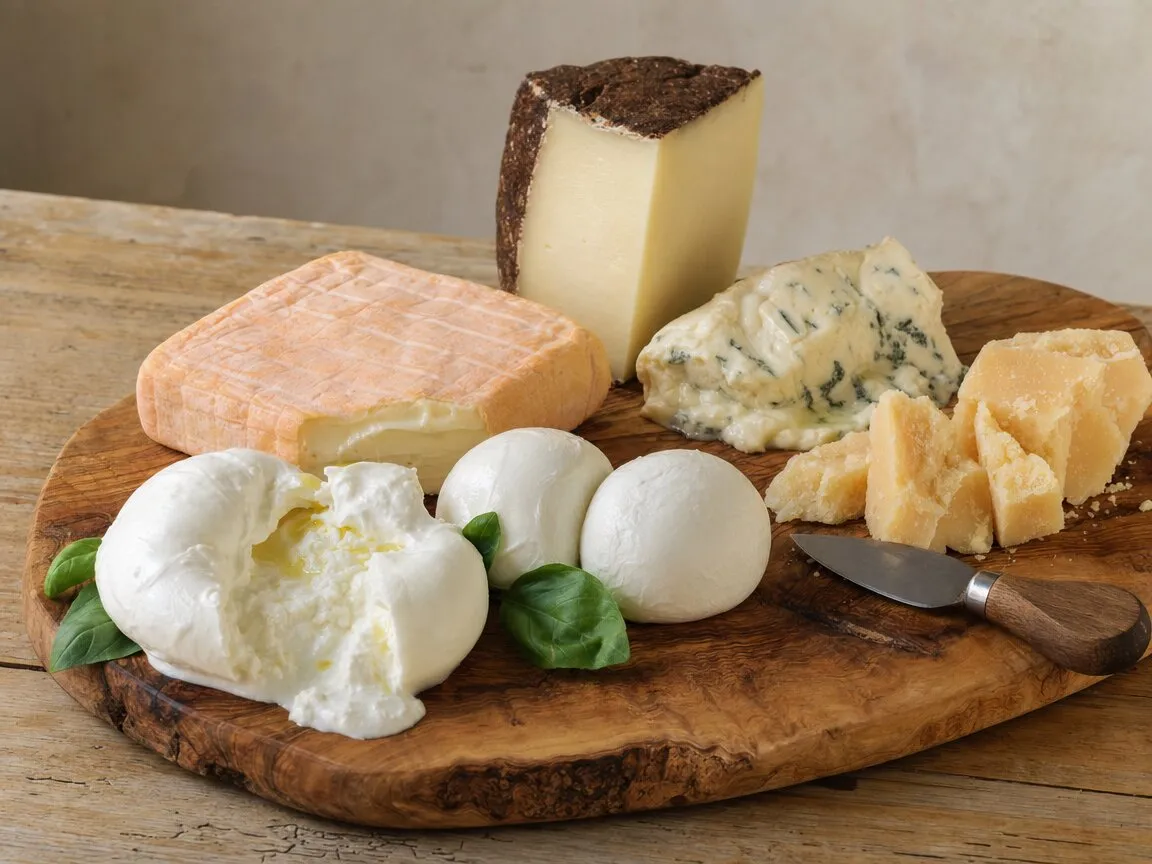
My cheese counter has four families: fresh cheeses, from mozzarella di bufala to mascarpone; cow’s milk cheeses, from parmigiano reggiano to taleggio; sheep’s milk pecorinos, from young to mature; and a semi-aged goat’s milk caciotta. I only keep a cheese if its methods and flavour convince me. The range changes with deliveries.
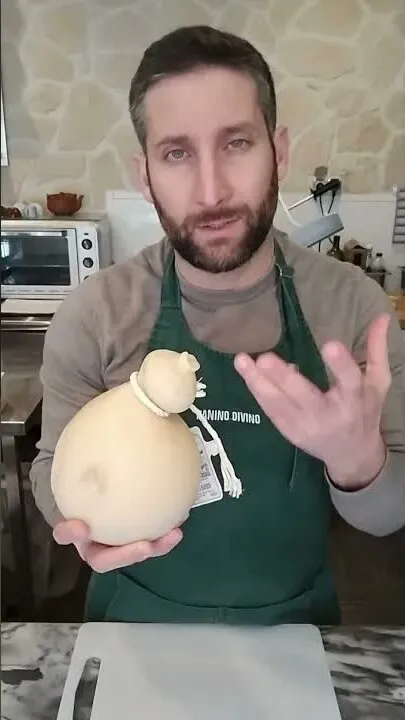
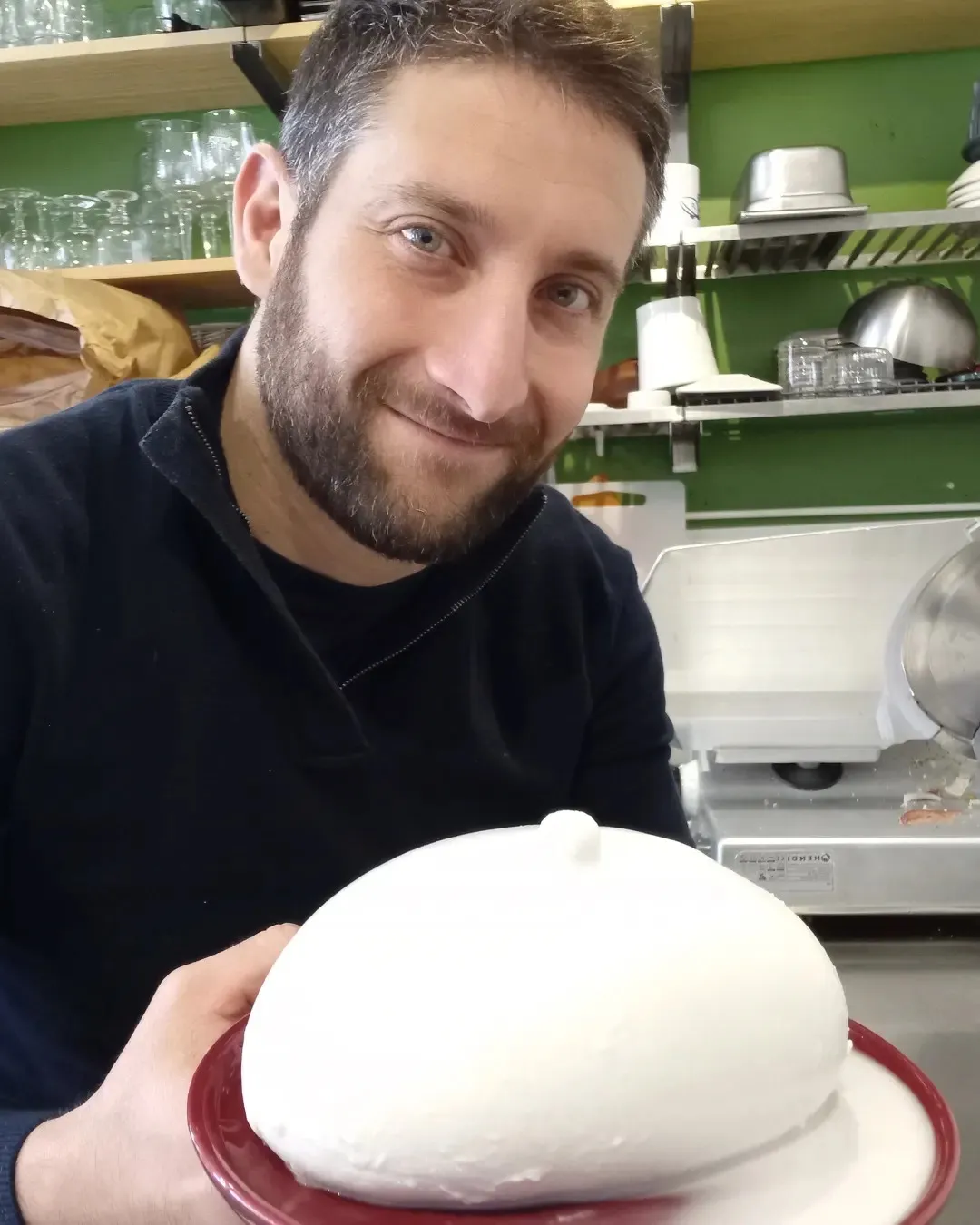
Each family has its uses. Fresh cheeses should be eaten quickly: burrata hides a centre of stracciatella and cream; ricotta di bufala works equally well in desserts or on bread. Cow’s milk cheeses range from mild to strong: gorgonzola dolce or piccante, plain or smoked scamorza, grana padano aged for 9 to 20 months. Pecorinos range from almost-fresh primo sale to aged black pepper pecorino.
What I look for in an artisan cheesemaker
Milk of known origin, from a specific region: buffalo, sheep, cow or goat, sometimes minimally processed to retain its aromas. Just four ingredients: milk, salt, natural cultures and rennet. A cheesemaker who works in small quantities, ages cheese longer and oversees every stage. This gives gorgonzola piccante and aged black pepper pecorino their character, setting them apart from supermarket cheese (see the questions below).
Pecorino cheeses
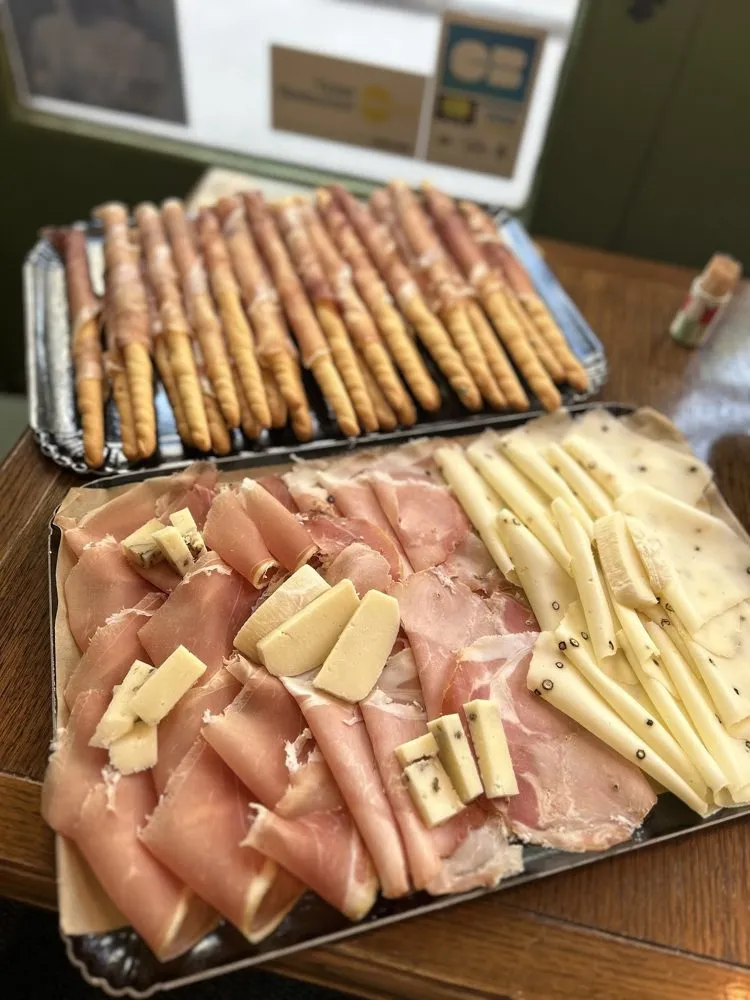
Pecorino comes from pecora, meaning sheep. Its flavour depends on the region, length of ageing and what is added during maturation. I stock several: salty, strong romano for carbonara, cacio e pepe and amatriciana; sardo from Sardinia; barely aged, very fresh primo sale; and versions with truffle, pistachio, chilli, pepper, or olives and peppers.
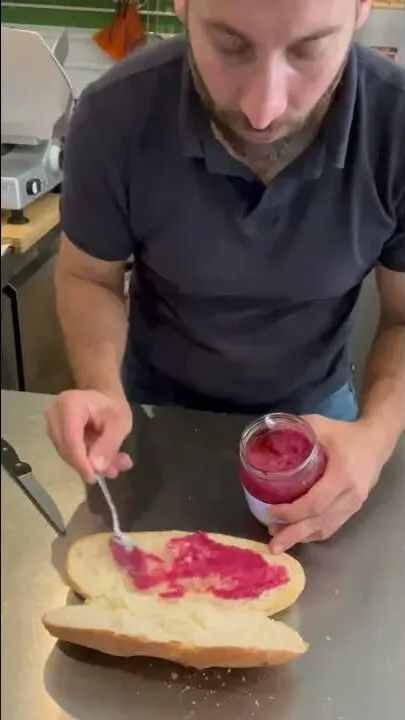
Pistachio pecorino, spicy pecorino, provolone and burrata also feature in my panini.